Africa’s Digital Dawn: How ICT Innovations Are Transforming Economies and Governance


By Evolution Africa, Editor-in-Chief – Prof. Joseph, P. Golwa
Africa is standing at the threshold of a new dawn, a digital dawn that is reshaping its economies, reimagining governance, and redefining how citizens live, learn, and connect. Across the continent, information and communication technologies (ICT) are no longer peripheral tools; they have become the backbone of transformation and the key drivers of inclusion, innovation, and progress. From bustling innovation hubs in Lagos to cutting-edge fintech in Nairobi, Africa is charting a bold new course, one that positions technology as the heartbeat of sustainable development.
At the forefront of this transformation stands Nigeria, a nation rapidly evolving into a continental ICT powerhouse. Central to this rise is the visionary leadership of the National Information Technology Development Agency (NITDA) and other ICT-based oganisations, the apex body responsible for driving Nigeria’s digital economy and ICT development agenda. Through forward-thinking policies and strategic collaborations, NITDA has become the nerve centre of Nigeria’s digital transformation, aligning national priorities with the National Digital Economy Policy and Strategy (NDEPS) — a framework designed to make Nigeria a leading digital economy by 2030.

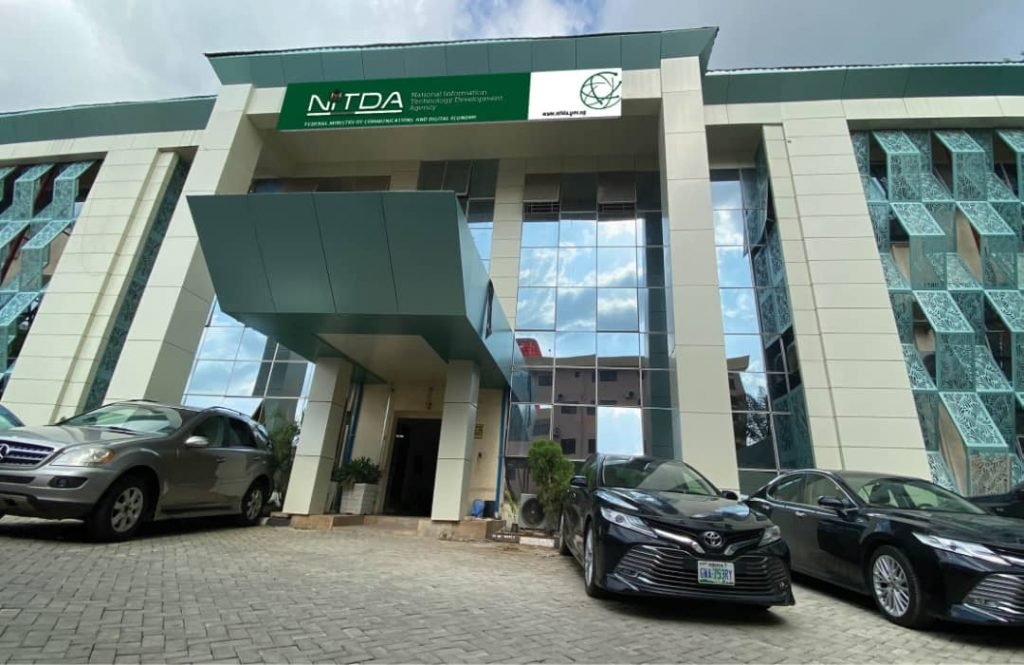
Under the guidance of the Federal Ministry of Communications, Innovation and Digital Economy, NITDA has redefined governance and service delivery through digital inclusion, data protection, and innovation support systems. Its interventions — from the Digital Literacy and Skills Programme to the Nigeria Startup Act, have empowered millions of citizens, entrepreneurs, and small businesses with the tools to participate meaningfully in the digital age. “Our goal is not just to use technology,” says a senior NITDA official, “but to build a nation where innovation is a culture and digital inclusion is a right.”
The private sector has complemented this vision with remarkable vigour. Nigeria’s thriving startup ecosystem has produced global champions such as Flutterwave, Paystack, Andela, and Interswitch, whose innovations have revolutionized fintech, software development, and e-commerce across Africa. These successes have attracted significant foreign investments and positioned Nigeria as a major technology hub. The synergy between the public and private sectors has not only expanded internet access but has also generated thousands of digital jobs, inspired youth innovation, and fostered regional integration.


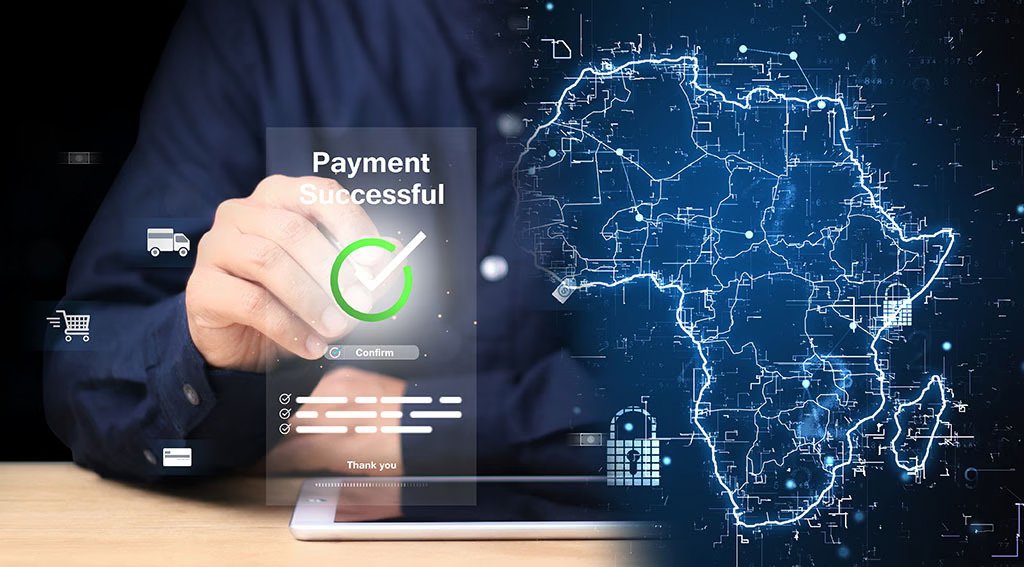
The ripple effects of Nigeria’s ICT progress are being felt across Africa. Kenya’s M-Pesa continues to set global standards in mobile money, empowering millions of citizens with access to financial services. Rwanda, with its Smart Rwanda Master Plan, is building a digitally literate population and promoting e-governance that enhances accountability. South Africa’s Silicon Cape ecosystem remains a magnet for venture capital and technological research, while Ghana’s e-transform project is modernizing public services through digitization. Together, these examples reflect a continent-wide awakening — a shared commitment to harnessing technology for collective prosperity.
ICT is transforming governance and administration at every level. Nigeria’s e-Government Master Plan, implemented in partnership with NITDA and other agencies, is promoting efficiency, transparency, and citizen engagement. Digital platforms now facilitate access to government services, streamline tax systems, and enhance data-driven decision-making. In countries like Rwanda and Ghana, e-government systems have minimized bureaucratic bottlenecks, making public service more accessible and accountable. These digital transformations are strengthening the social contract between governments and citizens, reducing corruption, and enhancing trust.
In education, ICT has become a bridge to equity and opportunity. Digital learning platforms such as uLesson, Coursera for Africa, and Edmodo Nigeria have democratized access to quality education, reaching learners in rural and conflict-prone areas. The proliferation of mobile learning applications is revolutionizing classroom experiences, empowering teachers, and creating new learning ecosystems. Importantly, this evolution is opening pathways for the girl child and women, breaking barriers to access and enabling them to pursue skills in science, technology, engineering, and mathematics (STEM).
Healthcare has also witnessed remarkable digital integration. The rise of telemedicine, electronic health records, and mobile diagnostic applications is extending medical access to remote communities. During the COVID-19 pandemic, ICT-driven health systems in Nigeria and other African countries enabled effective data tracking, information sharing, and public health response. These innovations continue to enhance healthcare delivery and resilience in the face of future challenges.
Economically, ICT remains a formidable growth engine. According to World Bank data, Africa’s digital economy is projected to contribute over $300 billion by 2025, with Nigeria accounting for a significant share. The expansion of broadband infrastructure, fintech innovation, and e-commerce is stimulating entrepreneurship, especially among the youth. “Technology is Africa’s new oil,” observed Nigeria’s Minister of Communications, Innovation and Digital Economy, Dr. Bosun Tijani, emphasizing the government’s commitment to nurturing homegrown innovation. The digital economy is not only diversifying Africa’s revenue base but also redefining work and wealth creation in unprecedented ways.
In the broader peace and security landscape, technology has emerged as a silent but powerful ally. Nigeria’s National Conflict Early Warning and Early Response System (NCEWERS) leverages ICT tools to track indicators of violence, enabling rapid interventions and conflict prevention. Across Africa, mobile-based reporting platforms and AI-driven analytics are improving humanitarian responses, countering misinformation, and supporting peacebuilding initiatives. ICT is thus becoming an instrument for promoting a violent-free and sustainable Africa, where digital intelligence complements human wisdom.
Looking ahead, the prospects of Africa’s digital transformation are immense. The rise of artificial intelligence (AI), blockchain, Internet of Things (IoT), and data analytics promises to redefine industries, from agriculture and finance to governance and climate action. In Nigeria, the integration of digital tools into agriculture is helping farmers optimize yields through precision farming and access markets via mobile platforms. The continent’s youthful population, with its creative energy and adaptability, is the greatest asset in driving this revolution.
To sustain this momentum and achieve higher targets, a multi-sectoral approach is essential. African governments must invest more in digital infrastructure, power supply, and broadband expansion. Policies must prioritize inclusion, ensuring women, rural dwellers, and persons with disabilities are not left behind. Collaboration between governments, academia, and the private sector should deepen, while cybersecurity and data privacy frameworks must be strengthened to safeguard digital gains. As Dr. Isa Ali Ibrahim Pantami once remarked, “Digital transformation is not a choice; it is the foundation for national survival and global relevance.”
Africa’s digital dawn is here, and its light grows brighter each day. With Nigeria’s leadership through NITDA, other ICT-based organisations and the collective resolve of African nations, the continent stands ready to define its future, one powered by innovation, driven by inclusivity, and anchored on sustainability. The journey from potential to prosperity is unfolding, and Africa’s story in the digital age is just beginning to be told.